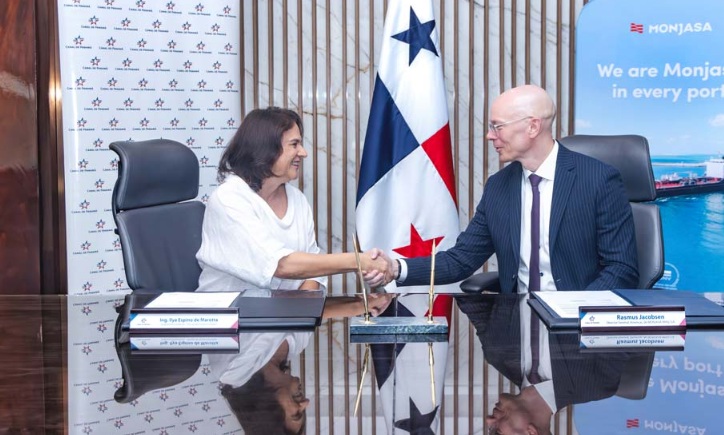
In a significant move for the global shipping industry, the Panama Canal Monjasa alliance was officially signed on January 13, 2026. This cooperation agreement between the Panama Canal Authority (ACP) and Monjasa, a premier global supplier of marine fuels, aims to foster long-term benefits for the watershed community. By integrating environmental, social, and governance (ESG) dimensions, both organizations are committing to a future that balances operational efficiency with ecological responsibility.
Strengthening the ACP Bunker Partnership and ESG Goals
The core of the Panama Canal Monjasa agreement lies in its five-year commitment to sustainable development. This maritime fuel alliance is not just about logistics; it prioritizes environmental protection and comprehensive well-being. Through this ACP bunker partnership, the organizations will execute joint projects focused on education and community development within the Canal’s vital areas.
Furthermore, the collaboration includes a strong focus on decarbonization. As the industry moves toward greener energy, the waterway sustainability efforts will align with the International Maritime Organization’s objectives. Consequently, the use of high-tech vessels like the Monjasa Thunder ensures that fuel supply operations remain flexible and environmentally conscious during the maritime fuel alliance execution.
Impact on the Watershed Community and Global Trade
Beyond technical operations, the Panama Canal Monjasa deal emphasizes social value. The watershed community will benefit from targeted volunteer programs and cultural initiatives funded through this synergy. While the canal remains a critical global shipping route, this waterway sustainability model proves that large-scale maritime operations can coexist with local social progress.
Moreover, the integration of ESG criteria will help Panama maintain its status as a competitive logistics hub. By securing this ACP bunker partnership, the Authority ensures that vessel operators have access to responsible energy solutions. As a result, the maritime fuel alliance strengthens Panama’s role in the world economy while safeguarding its natural resources for future generations.
About the Author