Screenshot
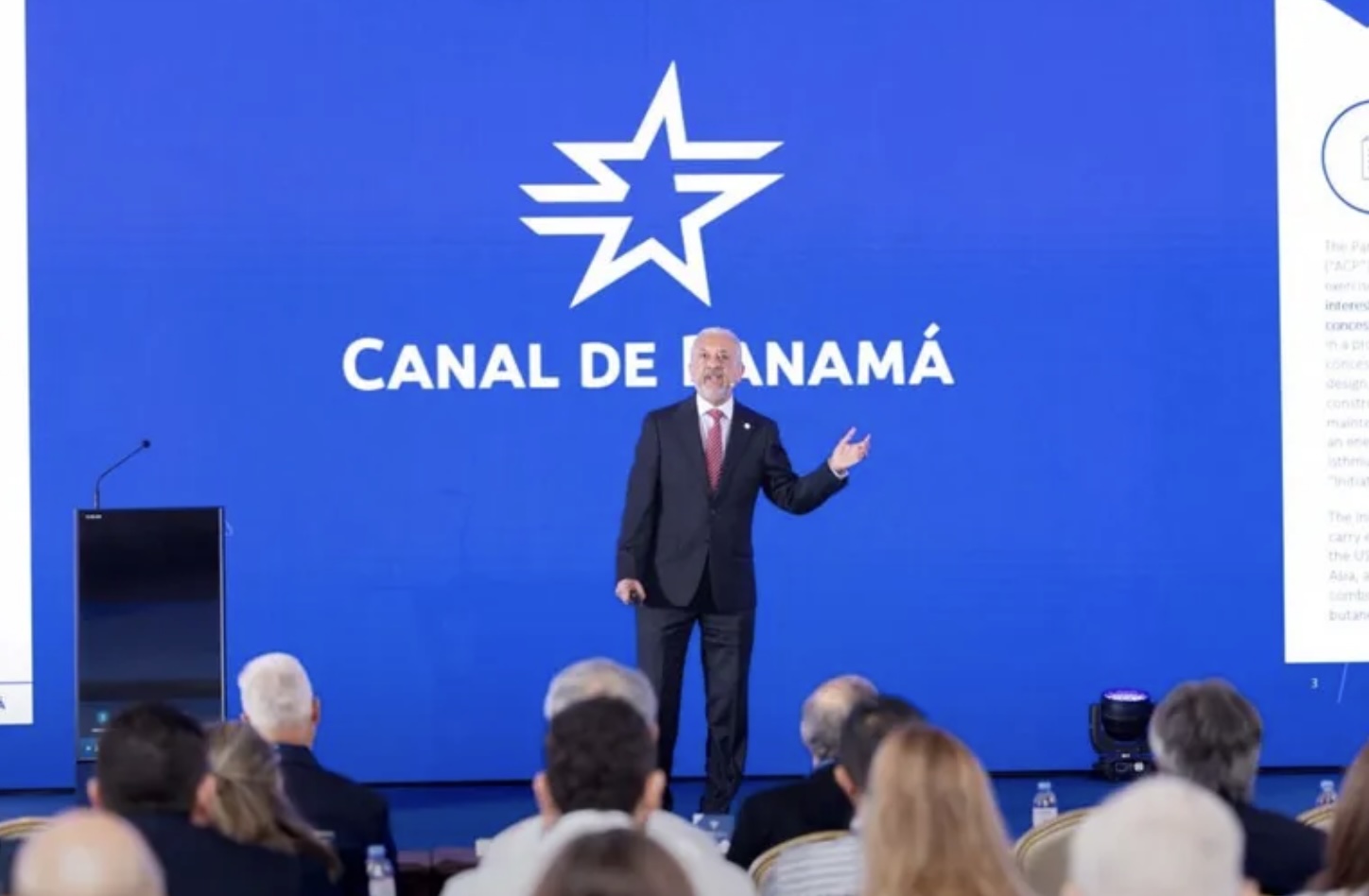
The Panama Canal Authority (ACP) has initiated the selection process for a concessionaire to construct a 76-kilometer interoceanic gas pipeline. The project includes two maritime terminals designed to transport up to 2.5 million barrels of liquefied petroleum gas—primarily propane, butane, and ethane—daily, connecting the Atlantic and Pacific coasts without traversing the canal’s locks.
This strategic energy corridor is expected to generate over $64 billion throughout its operational life. Additionally, the Panamanian government anticipates revenues exceeding $647 million during the project’s construction phase and more than $35 billion between 2031 and 2050. These funds are earmarked for social development projects across the country.
The ACP’s approach includes a market engagement phase to gather feedback from potential concessionaires regarding the project’s structure and concession model. Initial meetings have involved over 45 representatives from global energy companies, including Japanese firms such as Mitsubishi, ENEOS, and Sumitomo Corporation, as well as U.S. companies like ExxonMobil and Energy Transfer. The ACP plans to select a concessionaire by the fourth quarter of 2026.
This initiative marks the first major project under the ACP’s new infrastructure platform, aiming to bolster Panama’s competitiveness and address a critical need in the global energy market.
About the Author