Screenshot
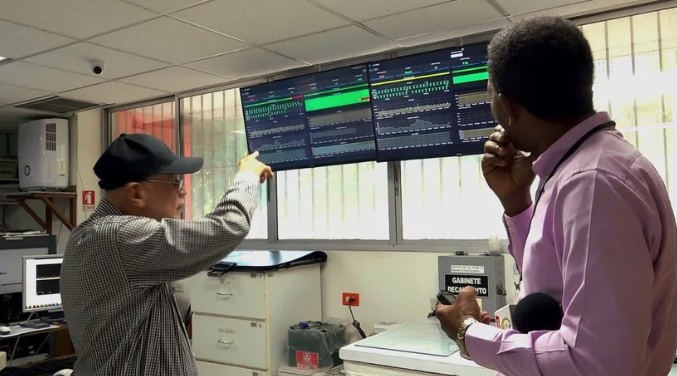
Panama is making a pivotal move in nuclear security in Panama by launching a unique radiation monitoring station. This facility, the only one in Central America, is set to play a key role in safeguarding the region from potential radiological threats. By partnering with the International Atomic Energy Agency (IAEA), Panama now joins a global framework dedicated to nuclear threat detection and prevention.
The Role of the IAEA and International Cooperation
The station is part of a global initiative by the IAEA to support early warning systems and response coordination. This collaboration not only improves Panama’s nuclear safety but also boosts the region’s overall resilience to nuclear emergencies. The country’s strategic location and increasing global trade activity make this facility crucial.
Moreover, Panama’s compliance with international nuclear standards will encourage other regional countries to enhance their own radiation monitoring capabilities.
Radiological Threat Detection: A New Era for Panama
Thanks to this new nuclear monitoring facility, authorities can now rapidly detect abnormal radiation levels and respond to potential threats. The station continuously gathers environmental data and contributes to the global IAEA database.
This is not just a national milestone—it’s a regional breakthrough in Central America nuclear safety.
A Strategic Move in Global Safety
With this development, Panama nuclear safety gains a broader international relevance. Transitioning from a logistics and maritime hub to a security reference point, the country reinforces its diplomatic position and its commitment to global nuclear non-proliferation efforts.
This station also supports civil protection initiatives, improves emergency preparedness, and raises public confidence in nuclear threat response infrastructure.
More news articles about Panama
About the Author