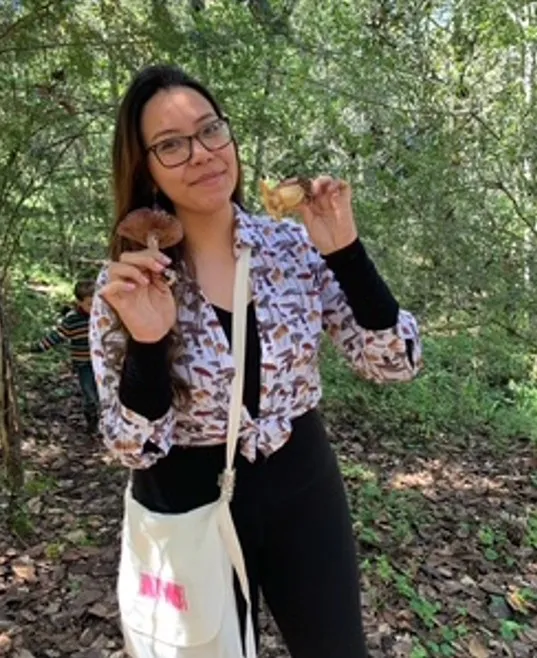
The landscape of mycological research in Panama is undergoing a profound transformation. At the forefront of this movement is Ashley Lou, a dedicated Panamanian biologist whose work bridges the gap between traditional science and modern innovation. After completing her advanced studies in France, Lou returned to her homeland with a clear mission: to elevate the study of the fungi kingdom to new heights.
The Rising Importance of Fungal Studies in Panama
The Fungi kingdom remains one of the most unexplored areas of biodiversity in the region. However, Lou’s work highlights that these organisms are far more than just decomposers. They are essential pillars of our ecosystem. Through her mycology investigation, she demonstrates how fungi recycle organic matter and support plant growth. Consequently, strengthening mycological research in Panama is not just an academic goal but a necessity for environmental conservation.
Furthermore, Lou emphasizes that the tropical climate of the Isthmus provides a unique sanctuary for diverse species. Because these organisms play a vital role in nutrient cycling, understanding them is key to protecting our forests.
Unlocking the Biotechnology Potential of Fungi
One of the most exciting aspects of Ashley Lou’s scientist career is her focus on biotechnology potential. Fungi offer incredible solutions for modern challenges, ranging from medicine to waste management. For instance, certain species can assist in soil bioremediation or even degrade plastics. Therefore, Lou advocates for the integration of biotechnological applications within national laboratories to boost local innovation.
By exploring these industrial uses of fungi, Panama could lead the way in sustainable development. Lou’s expertise in molecular biology allows her to identify specific fungal metabolites that could lead to new pharmaceutical breakthroughs.
A Vision for the Future of Panamanian Fungal Science
To ensure the continuity of this work, the Panamanian biologist founded the Mycological Foundation of Panama. This organization aims to educate the public and promote the concept of “funga” alongside flora and fauna. In addition, she seeks to create a robust framework for Panamanian fungal science that encourages young researchers to stay in the country.
Ultimately, supporting mycological research in Panama will yield long-term benefits for the economy and the environment. As Lou continues her journey, her commitment to a “closer and more human science” inspires a new generation of scientists to explore the hidden wonders of the forest floor.
About the Author