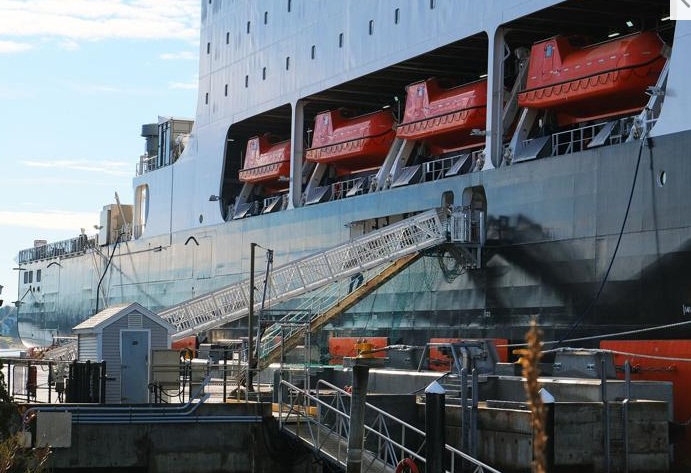
The Massachusetts Maritime Academy (MMA) has officially commenced its highly anticipated Winter Sea Term, with the MMA Panama Canal transit serving as the voyage’s crowning jewel. On January 10, 2026, the training ship Patriot State departed from Buzzards Bay, carrying hundreds of future maritime leaders. This naval training voyage is a critical requirement for license-track majors, offering them the chance to apply classroom theory to real-world blue-water operations.
Professional Maritime Training and Canal Transit
Navigating the MMA Panama Canal route is more than a tradition; it is a rigorous test of skill and discipline. During the 52-day cadet sea term, students are responsible for every aspect of the vessel’s operation, from engine room maintenance to bridge navigation. Passing through the canal’s complex lock system provides an unparalleled look at waterway management and international logistics. Consequently, this maritime academy transit ensures that graduates are prepared for the high-stakes environment of the global merchant marine.
Experts note that the transit through the Isthmus of Panama is a transformative experience for the “youngies” or first-year cadets. By witnessing the scale of global shipping routes firsthand, they gain a deeper appreciation for their future careers.
Life Aboard the Maritime Academy Transit
While the MMA Panama Canal crossing is a highlight, the daily routine of the cadet sea term is demanding. Cadets rotate through various “watches,” ensuring the ship runs smoothly 24 hours a day. In addition to their technical duties, they participate in emergency drills and celestial navigation exercises. This professional sea education is designed to build the “Learn-Do-Learn” philosophy that MMA is famous for.
Furthermore, the 2026 itinerary includes stops in Costa Rica and the U.S. Virgin Islands, allowing for cultural exchange and rest. However, the focus remains on the MMA Panama Canal maneuvers. As the ship nears the Caribbean entrance, the intensity of the maritime training increases, preparing the crew for the precision required in the locks. These professional naval exercises solidify the bond between shipmates and prepare them for the challenges of the open sea.
About the Author