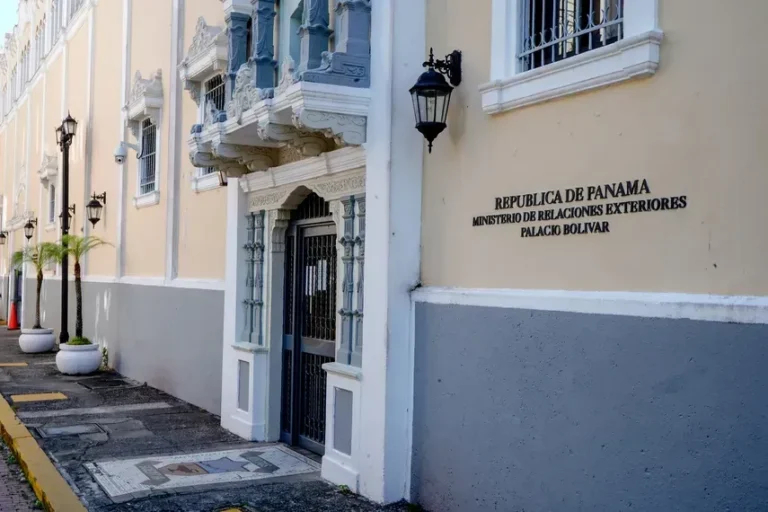
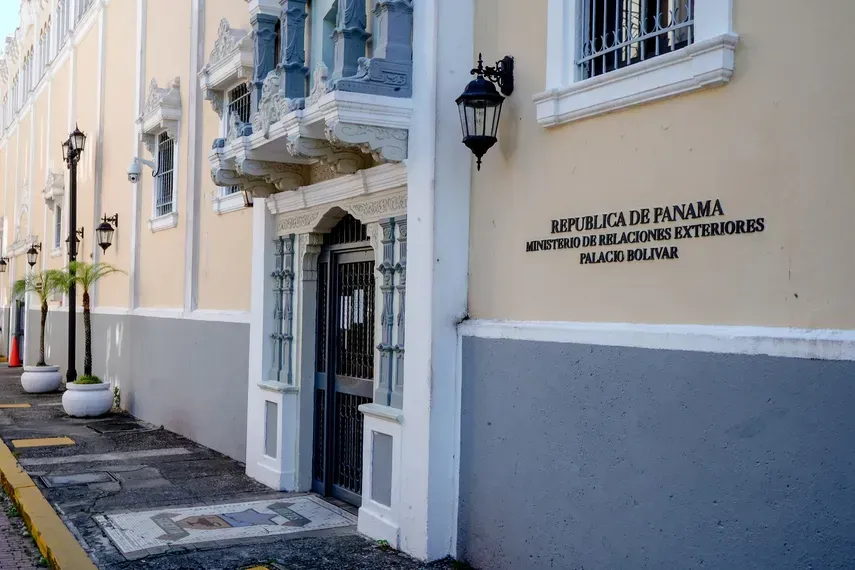
International cooperation Panama has reached a significant milestone in 2026, as the Ministry of Foreign Affairs reports substantial benefits from non-reimbursable global aid. These strategic alliances are actively fueling progress in critical sectors, ranging from academic excellence to sustainable travel initiatives across the country.
Global Strategic Alliances in the Education Sector
The impact of international cooperation Panama is perhaps most visible in the classroom. Through various global strategic alliances, the Panamanian government has secured numerous international scholarships for local students. These educational opportunities allow young professionals to specialize in fields like science and technology, which are essential for the nation’s future.
Furthermore, the Foreign Ministry (MINRE) has highlighted that these partnerships do not just offer financial aid but also facilitate a vital exchange of knowledge. By collaborating with nations like Spain, Panama is integrating modern teaching methodologies and digital literacy programs, ensuring that the local workforce remains competitive in a globalized economy.
Boosting Sustainable Tourism and Cultural Heritage
Another cornerstone of international cooperation Panama is the revitalization of the travel industry. Sustainable tourism initiatives are currently being implemented to protect Panama’s rich cultural and natural assets while attracting high-value visitors.
For instance, recent collaborations have focused on the province of Colón, highlighting its artistic creativity and Caribbean heritage. These external aid programs provide the necessary funding to restore historical sites and promote community-based tourism. By focusing on “Intangible Cultural Heritage,” Panama is positioning itself as a unique destination that offers more than just a canal, but a deep, immersive cultural experience.
Vocational Training and Community Development
To ensure long-term success, vocational training programs have become a priority within the framework of international cooperation Panama. These professional development schemes are designed to reach remote communities, providing farmers and young environmentalists with modern tools and best practices.
The goal of these community empowerment projects is to improve the quality of life in rural areas by connecting local production with international standards. As the Ministry continues to manage these non-reimbursable resources, the focus remains clear: building a resilient nation where education and tourism serve as the primary engines of social and economic equity.
About the Author