Panama’s Ministry of Health (MINSA) is urging citizens and local authorities to intensify their efforts in Community Disease Prevention to mitigate the spread of illnesses like Dengue and Influenza Panama, along with other widespread Respiratory Infections Panama. The ministry reiterated that robust Public Participation in Health and strong Local Government Cooperation are essential components for protecting the national population.
MINSA’s comprehensive strategy includes both specific disease control measures and general hygiene protocols. These foundational Public Health Recommendations for the public include frequent hand washing with soap and water or alcohol-based gel, appropriate mask usage, covering coughs or sneezes, and prompt medical consultation upon experiencing symptoms. Crucially, the ministry advises against self-medication and urges citizens to visit health centers promptly for early diagnosis and treatment.
Mosquito Breeding Site Elimination: The Dengue Prevention Strategy
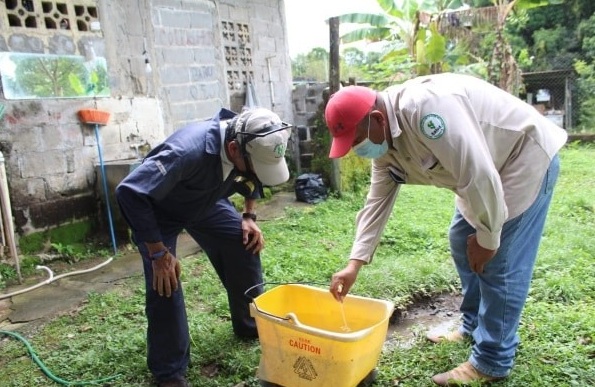
For controlling Vector-Borne Diseases, MINSA continues to emphasize that the most effective Dengue Prevention Strategy remains the elimination of standing water. By removing these sources, communities directly undermine the ability of the Aedes Aegypti mosquito to reproduce. Therefore, widespread Mosquito Breeding Site Elimination is necessary to reduce the threat of Dengue, Chikungunya, and Zika—diseases that pose a continuous risk to the population. The commitment to Dengue Fever Control requires active participation from every household to achieve Larval Habitat Reduction across the country.
Importance of Influenza Vaccination Drive and High-Risk Group Protection
Addressing Respiratory Infections Panama, the ministry recently reported two new influenza-related deaths, raising the year’s total to 94. Analysis of these tragic figures reveals a critical pattern: 86.2% of those who died had not received the vaccine, and 92.5% presented pre-existing risk factors, such as advanced age, cardiovascular or metabolic diseases, and immunosuppression. Significantly, one young adult fatality was associated with vaping, underscoring the dangers of underlying respiratory vulnerabilities.
This data underscores the extreme importance of the Influenza Vaccination Drive. The ministry stresses that increasing Vaccine Uptake is the most effective way to provide High-Risk Group Protection and reduce mortality rates. The combination of comprehensive Hygiene Habits and targeted vaccination is essential for protecting Panama Public Health and minimizing the risk of outbreaks throughout the country. Ultimately, the successful management of Dengue and Influenza Panama hinges on the sustained commitment to these combined actions.
About the Author