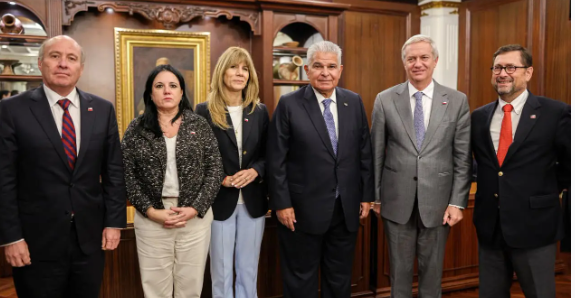
The geopolitical landscape of South America is shifting as Chile targets a new Chile Panama Canal status for the year 2026. During a high-profile Mulino and Kast meeting in Panama City, both leaders emphasized the vital role of the interoceanic waterway. President-elect José Antonio Kast, who recently secured a significant electoral victory, expressed his ambition for Chile to ascend in the global maritime trade leadership rankings. Currently the fourth-largest user, the nation aims to surpass Japan and secure a more dominant position in the transit hierarchy.
Chile’s Ambition: Third Largest Canal User
Achieving the rank of third largest canal user is a cornerstone of the incoming Chilean administration’s economic policy. To reach this top tier transit ranking, Chile plans to diversify its exports beyond traditional minerals into high-value agricultural and technological goods. This shift requires a reliable and efficient passage through the Isthmus. President Mulino welcomed this vision, noting that a stronger partnership with Chile reinforces Panama’s standing as a global logistics hub.
Diplomatic Ties at the Mulino and Kast Meeting
The presidential diplomatic encounter served as a platform to discuss more than just transit numbers. Both leaders touched upon Chilean maritime expansion and the necessity of “crossing ideological borders” to ensure regional stability. By focusing on naval logistics growth, they aim to streamline customs processes and reduce wait times for Chilean vessels. Consequently, this collaboration will likely influence shipping costs and supply chain efficiency across the Pacific coast.
Strengthening the Global Logistics Hub
As Panama continues to invest in its international shipping center, the commitment from Chile provides a stable forecast for canal revenues. To maintain its Chile Panama Canal status, the Chilean government intends to modernize its own port infrastructure in Valparaíso and San Antonio. This ensures that the entire logistics chain is optimized for the increased volume of trade expected in the coming years. Furthermore, the focus on sustainable shipping practices will play a significant role in future negotiations.
In conclusion, the synergy between Panama and Chile is set to redefine trade patterns in the Southern Cone. Through mutual cooperation and a clear strategic vision, both nations are poised for unprecedented economic growth.
About the Author